PortfolioOffice
One to one · New York · Online worldwide Fall 2027 intake now open

Portfolio
as argument

Build a portfolio that argues for your way of seeing.

Every engagement is one to one and led by me from the first session to submission. Two parts are run by specialists — the portfolio critique, and a second read on every essay — and both are people with more standing than a junior tutor, not less. I studied in Australia, the UK, and the United States, took my master’s at NYU Tandon — an engineering school — and work in New York now making film-grade AI imagery. I teach the STEM-designated end of art and design: interaction, computational media, moving image. I do not teach a house style — not even my own. I work one to one to find the thinking already in your practice, then build the twelve to twenty pieces that make an admissions committee take it seriously.

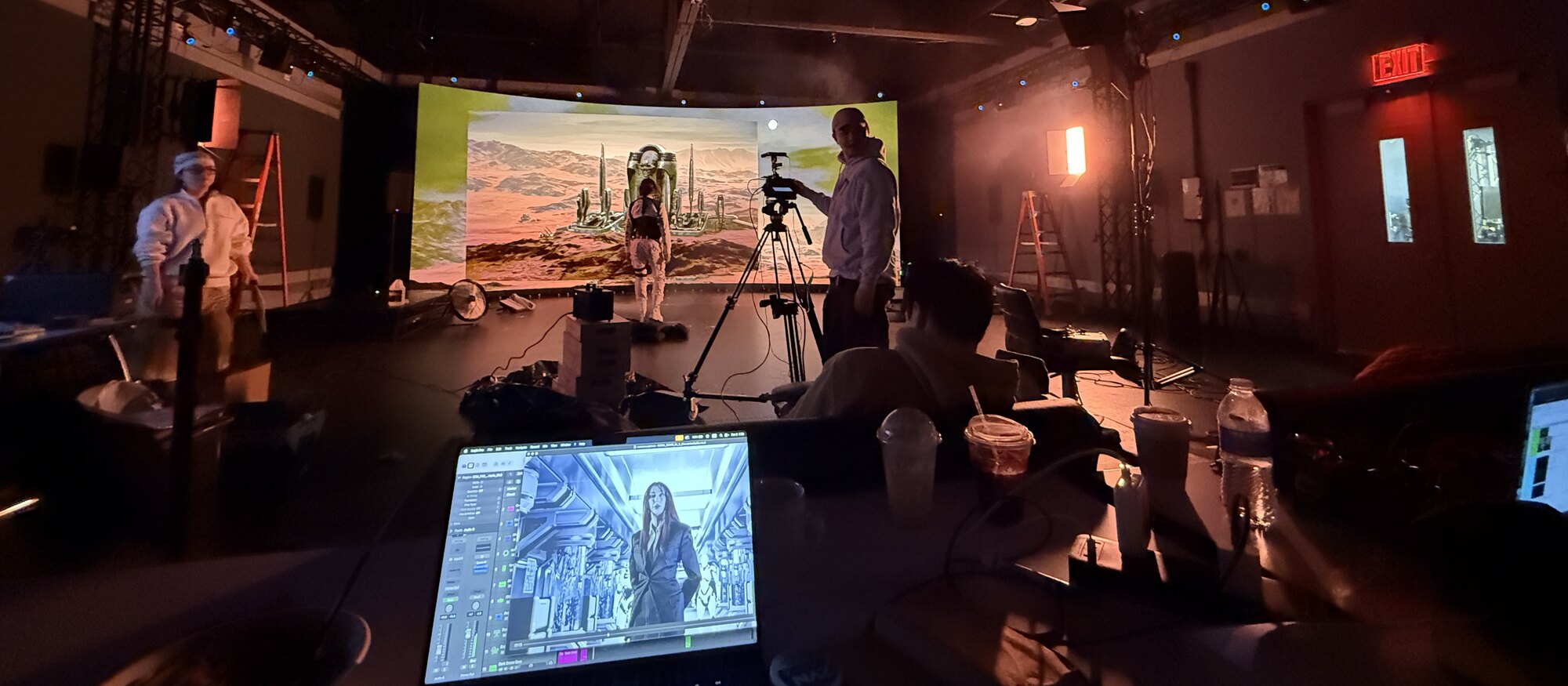
A film set: a projected desert backdrop, a camera on a tripod, and an editing timeline open on a laptop in the foreground
[ The The Portfolio Office thesis ]

A committee spends four minutes with your work. In that window they are not scoring craft in isolation. They are looking for evidence of a question you cannot stop asking, and proof that you have the discipline to pursue it. Everything I do is aimed at that four minutes.

01 / Position

Most portfolios fail for the same reason. They show what a student can make, not what they are after.

A committee spends four to six minutes with your work. In that window they are not scoring craft in isolation. They are looking for evidence of a question you cannot stop asking, and for proof that you have the discipline to pursue it.

A

I start from your obsessions

Two sessions of interview and archive review before a single new piece is planned. What you already keep making is the material.

B

I build sequence, not stacks

A portfolio is edited like a film. Order, pacing, and what you leave out carry as much weight as any single image.

C

I keep the labor visible

Sketchbooks, tests, failures, process documentation. Schools admit thinkers, and thinking has to be legible on the page.

D

I write alongside the work

I write the statements with you, from the first brainstorm to the final draft, because the essay and the portfolio have to be making the same argument. Every one is then read by three graduate readers — two from Cornell, one from UBC and NYU — before it goes out.

[ 01 · Portfolio ]

You already
make things

The work of this track is deciding what your practice is about, and proving you know. I start by laying out five years of it and reading for pattern.

Module detail
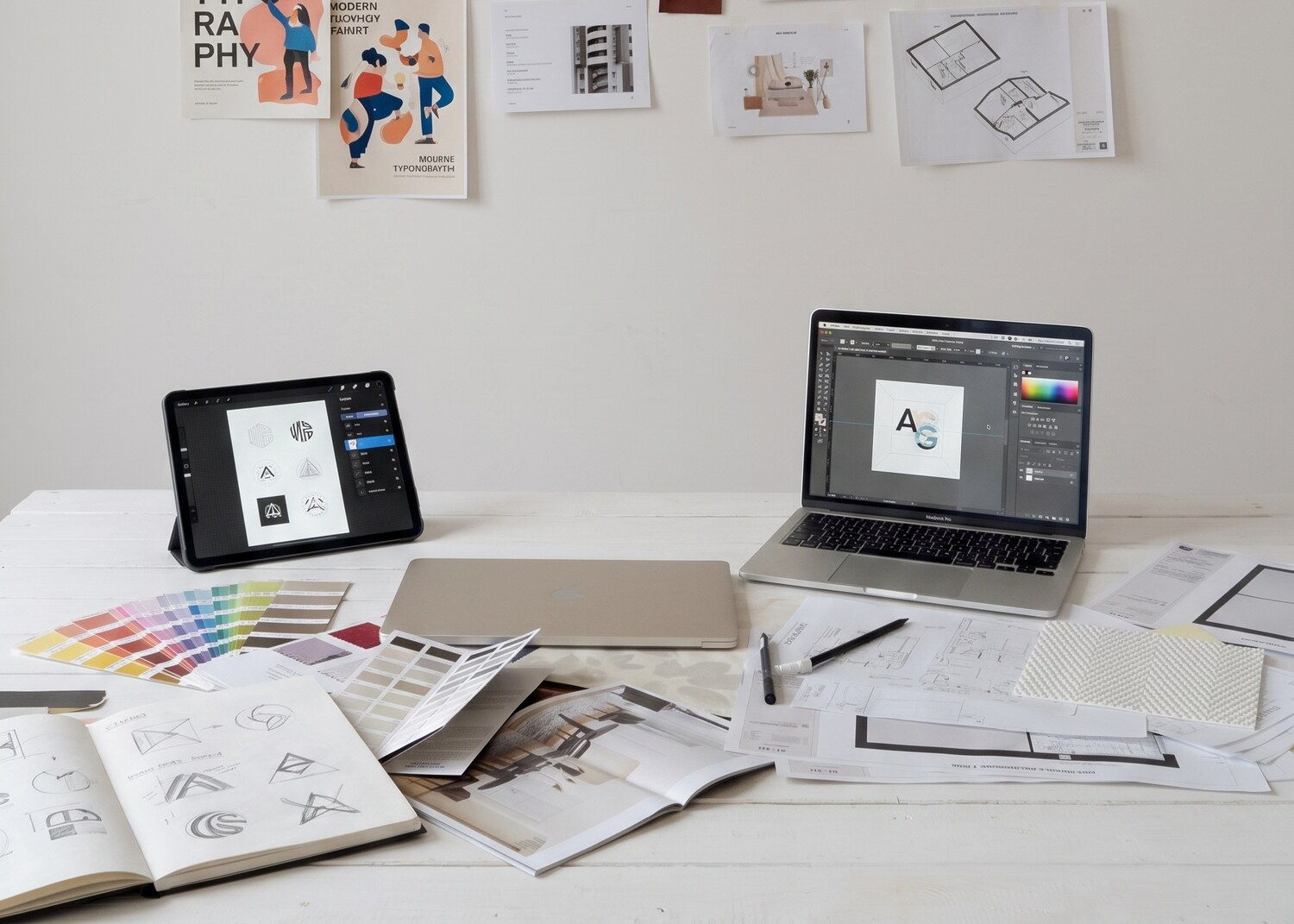
A studio wall of pinned posters and layout studies above a desk with a tablet, a laptop and colour swatches Work in progress
02 / Programs

Three modules, combined into four packages.

Every service is one to one. What changes between packages is the size of the school list and how much of the record I am building rather than editing. Most of the work is postgraduate — MFA, MA and MS applications are a different problem from undergraduate ones.

01 / Portfolio

The pieces you will make

Individual projects built one to one, from research through iteration to a resolved outcome and documentation. The spine of every package.

  • Individual project, counted per project
  • AI project workshop (pipeline & moving image)
  • Swappable if the direction does not suit
  • Documentation and archive built alongside
Module detail
02 / Profile

Everything before the application

For candidates whose record needs building rather than editing. Runs in parallel with the portfolio, not after it.

  • Profile strategy consultation + roadmap
  • US studio placement + certificate
  • Competition submission coaching
  • Sequenced against your actual deadline
Module detail
03 / Application

Submission and everything around it

The execution layer, priced per school because the work genuinely scales with the list.

  • School list planning by faculty, not ranking
  • Essays, written per school
  • Application submission guidance
  • Interview coaching and rehearsal
Module detail
03 / Results

The record, plainly stated.

Offer letters, reproduced in full. Names and ID numbers removed, nothing else.

Royal College
of Art

MA Visual Communication · MA Digital Direction

Columbia ·
NYU Tisch

MFA Visual Arts, Moving Image · Interactive Telecommunications

King’s College
London

MA Cultural & Creative Industries

Read the letters
04 / Method

A cycle, start to submission.

Typical timeline for a twelve-month undergraduate track. Compressed and extended versions are available.

01

Diagnostic

Portfolio audit, interview, and school list. I establish what you are actually interested in and where the gap sits between that and the current work.

Weeks 1–3
02

Foundation

Observation, material handling, and the technical floor a committee assumes. Short assignments, high volume, weekly critique.

Months 1–4
03

Projects

Two to three self-directed bodies of work, each developed from research through iteration to resolved outcome and documentation.

Months 4–9
04

Edit & Write

Sequence, layout, PDF and site build, statement and supplements. Everything school-specific happens here.

Months 9–11
05

Submit & Interview

Submission checks, portfolio day rehearsal, mock interviews, and waitlist strategy where relevant.

Month 12
05 / Journal

Notes from the studio.

Writing on portfolio construction, program differences, and what committees actually read for.

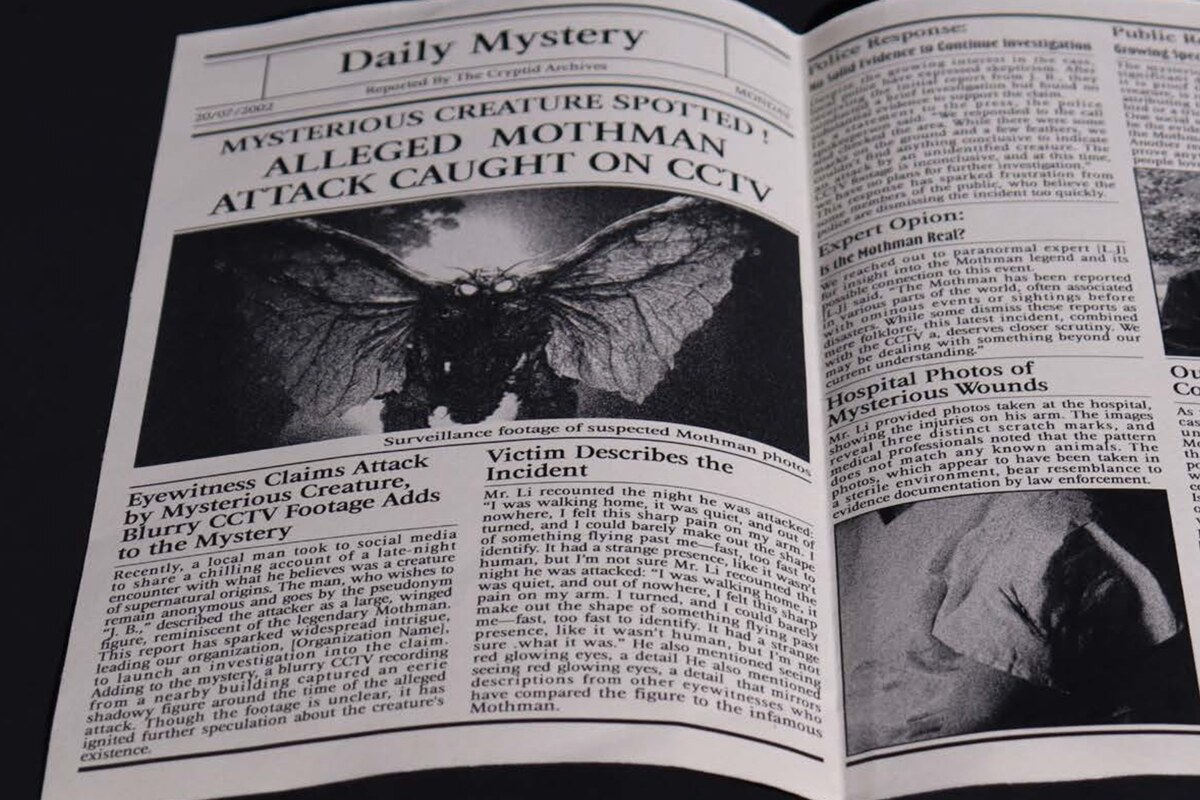
Essay · August 2026 An open broadsheet newspaper reporting an alleged Mothman attack caught on CCTV

AI is not the shortcut. It is the position.

What a committee is actually testing when a portfolio uses AI, and two student projects that got it right. Includes the part where I tell you not to use it.

Read the essay

One essay so far. There will be more when there is something to say that is not already written better somewhere else — not on a content schedule.

All writing

Start with a
conversation.

Thirty minutes, no cost, no obligation. Bring whatever you have, including nothing. I will tell you honestly where you stand and what a realistic timeline looks like.